
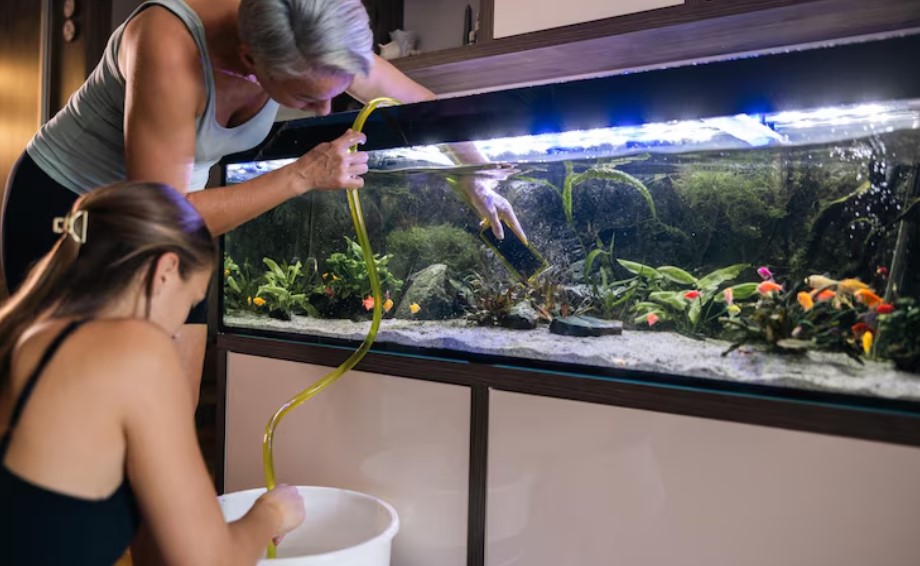
Choosing the right Fish Food is one of the most important parts of keeping aquarium fish healthy, active, and colorful. The food you offer affects growth, energy, digestion, body condition, and water quality.
Not every fish should eat the same diet. Some species feed mainly near the surface, while others search for food in the middle or bottom of the tank. Some fish prefer plant-based ingredients, while others need more animal protein.
The best Aquarium Fish Food should match the species, mouth size, feeding behavior, and life stage of the fish in your tank. Understanding these differences makes it easier to choose a diet that supports long-term health.
Why Choosing the Right Fish Food Matters
Fish depend on their daily diet for protein, fats, vitamins, minerals, and other nutrients.
A poor diet may contribute to:
- Slow growth
- Low energy
- Poor body condition
- Dull coloration
- Digestive problems
- Excess waste
- Poor water quality
Overfeeding can also become a problem. Uneaten food breaks down in the aquarium and can affect water quality.
Good feeding is not about giving fish as much food as they will take. It is about providing the correct type and amount.
Main Types of Aquarium Fish Food
There are several types of Aquarium Fish Food, and each works differently.
Flake Food
Flakes float near the surface before slowly sinking.
They are commonly used for small and medium-sized community fish that feed near the top or middle of the aquarium.
Flakes are easy to portion and can be crushed into smaller pieces for small fish.
However, they can lose freshness after opening, so keep the container tightly sealed.
Pellet Food
Pellets are available in floating, slow-sinking, and sinking varieties.
They come in different sizes for different fish.
Pellets can work well for:
- Cichlids
- Goldfish
- Bettas
- Catfish
- Larger tropical fish
- Bottom feeders
Choose a pellet size that the fish can swallow comfortably.
A large pellet may be difficult for a small fish to eat, while tiny pellets may not be practical for larger species.
Wafers and Tablets
Wafers and tablets usually sink to the bottom.
They are commonly used for bottom-feeding species such as some catfish, loaches, and algae-grazing fish.
Place the food where bottom dwellers can reach it without competing too heavily with faster surface feeders.
Flakes vs Pellets: Which Is Better?
Both flakes and pellets can be healthy when they are designed for the correct species.
Flakes may work better for:
- Small community fish
- Surface feeders
- Fish with small mouths
Pellets may be better for:
- Larger fish
- Species that prefer sinking food
- Owners who want easier portion control
There is no single winner.
The best fish food is the option that matches your fish’s natural feeding level and dietary needs.
Many aquariums contain several species, so owners may need more than one type of food.
For example, a community tank might use floating flakes for surface feeders and sinking wafers for bottom dwellers.
Frozen Fish Food
Frozen foods can add variety and animal protein to the diet.
Common options include:
- Brine shrimp
- Bloodworms
- Mysis shrimp
- Daphnia
- Krill
These foods are often used as supplements rather than the only daily diet.
Follow the package directions for thawing and serving.
Do not add a large frozen block directly to a small aquarium if it results in more food than the fish can consume.
Small portions help reduce waste.
Live Foods
Some fish enjoy hunting live foods.
Examples may include:
- Brine shrimp
- Daphnia
- Certain worms
- Small feeder organisms
Live food can encourage natural hunting behavior, especially in species that naturally eat moving prey.
However, quality matters. Poorly sourced live food may introduce parasites or disease into an aquarium.
Buy from trusted sources instead of collecting unknown organisms outdoors.
Plant-Based Food for Fish
Not all aquarium fish need a high-protein animal-based diet.
Herbivorous and omnivorous species may benefit from plant-based ingredients.
Options may include:
- Algae wafers
- Spirulina-based foods
- Vegetable-based pellets
- Species-safe fresh vegetables
Some fish may accept small portions of softened zucchini, peas, or leafy vegetables, depending on the species.
Remove uneaten vegetables before they begin to decay.
When choosing food for fish, check whether the diet is designed for carnivores, herbivores, or omnivores.
Choosing Food for Freshwater Fish
Freshwater aquariums may contain very different species.
A betta does not have the same nutritional requirements as a pleco, goldfish, guppy, or cichlid.
Before buying food for fish aquarium use, identify:
- Fish species
- Adult size
- Mouth size
- Natural diet
- Feeding level
- Life stage
Betta foods, for example, are usually protein-rich and designed for small carnivorous fish.
Many plecos and other bottom feeders may use sinking wafers and plant-based foods.
Goldfish require diets designed around their own digestive and nutritional needs.
Avoid relying on one generic food for every fish in a mixed tank unless it genuinely meets each species’ requirements.
Choosing Food for Tropical Fish
“Tropical fish food” is a broad category.
It may include foods made for:
- Tetras
- Guppies
- Mollies
- Gouramis
- Barbs
- Rasboras
- Cichlids
Many tropical community fish can eat quality flakes or small pellets, but species-specific differences still matter.
Read the label rather than buying a product only because it says “tropical.”
Check protein sources, food size, and whether the food floats or sinks.
How to Find the Best Fish Food
When looking for the best fish food, focus on suitability rather than marketing claims.
Check:
Species Recommendations
The package should state which types of fish the product supports.
Ingredient List
Look for ingredients appropriate for your fish’s natural diet.
Food Size
The food should fit comfortably in the fish’s mouth.
Floating or Sinking Behavior
Choose food that reaches the area where the fish naturally feeds.
Freshness
Avoid damaged packaging or food that smells unusual after opening.
Feeding Directions
Use the manufacturer’s portion recommendations as a starting point and adjust based on your aquarium.
One product may be excellent for one species but unsuitable for another.
How Much Should You Feed Aquarium Fish?
Overfeeding is one of the most common aquarium mistakes.
A simple approach is to offer a small amount that the fish can consume within a short period.
Watch carefully.
If large amounts remain on the bottom or float around uneaten, you are probably feeding too much.
Factors that influence portion size include:
- Number of fish
- Species
- Age
- Activity level
- Food type
- Water temperature
Juvenile fish may need different feeding schedules from adults.
Follow species-specific recommendations rather than using one rule for every aquarium.
How Often Should Fish Be Fed?
Many adult aquarium fish are fed once or twice daily, but this varies by species.
Some fish may need smaller, more frequent meals. Others naturally eat less often.
Do not assume that fish begging at the glass are always hungry. Many fish quickly learn that people near the aquarium may mean food.
Feeding too frequently can lead to excess waste and poor water quality.
Use a schedule that matches the species.
Common Fish Feeding Mistakes
Feeding Too Much
Extra food can decay and increase waste in the water.
Using One Food for Every Fish
Different species may have different nutritional needs.
Ignoring Bottom Feeders
Surface fish may eat everything before sinking food reaches other species.
Using Food That Is Too Large
Fish may spit out or struggle with oversized pellets.
Feeding Only Treat Foods
Frozen and live foods can add variety but may not provide complete daily nutrition alone.
Keeping Food Too Long
Opened fish food can lose freshness over time.
Ignoring Water Quality
A good diet cannot compensate for poor filtration or dirty water.
How to Store Food for Fish Safely
Proper storage helps preserve freshness.
Keep dry Fish Food:
- Tightly sealed
- Away from moisture
- Away from direct sunlight
- In a cool, dry location
- Away from household chemicals
Avoid buying an oversized container if it will remain open for a very long time.
Smaller packages may stay fresher when you have only a few fish.
Frozen foods should remain frozen until needed and should be handled according to the package instructions.
Never feed moldy, wet, or spoiled food.
Build a Better Aquarium Feeding Routine
Start by listing every fish species in your aquarium.
Then check where each fish feeds and whether it is mainly carnivorous, herbivorous, or omnivorous.
Choose Aquarium Fish Food that reaches each feeding level and matches the nutritional needs of the fish. You may need flakes for surface feeders, pellets for mid-water fish, and sinking wafers for bottom dwellers.
The best fish food is not always one product. A well-planned combination may provide better coverage for a mixed aquarium.
Your next step should be to watch one full feeding session. Note which fish eat quickly, which struggle to reach food, and how much remains after feeding. Adjust the portion and food type based on what you see.
Frequently Asked Questions
1. What is the best fish food for aquarium fish?
The best fish food depends on the species. Choose food based on natural diet, mouth size, feeding level, age, and health.
2. Are flakes or pellets better for fish?
Both can be suitable. Flakes work well for many small surface feeders, while pellets are available in different sizes and sinking levels for a wider range of fish.
3. How often should I feed my aquarium fish?
Many adult fish are fed once or twice daily, but the correct schedule depends on the species and life stage.
4. Can I use the same food for every fish in my aquarium?
Not always. Mixed tanks may contain fish with different nutritional and feeding needs. You may need several types of food for fish aquarium setups.
5. How do I know if I am overfeeding my fish?
If food regularly remains uneaten, collects on the bottom, or water quality starts declining after meals, you may be feeding too much.
